
GAA

Share
Published 15:21 2 Mar 2026 GMT
Updated 15:21 2 Mar 2026 GMT
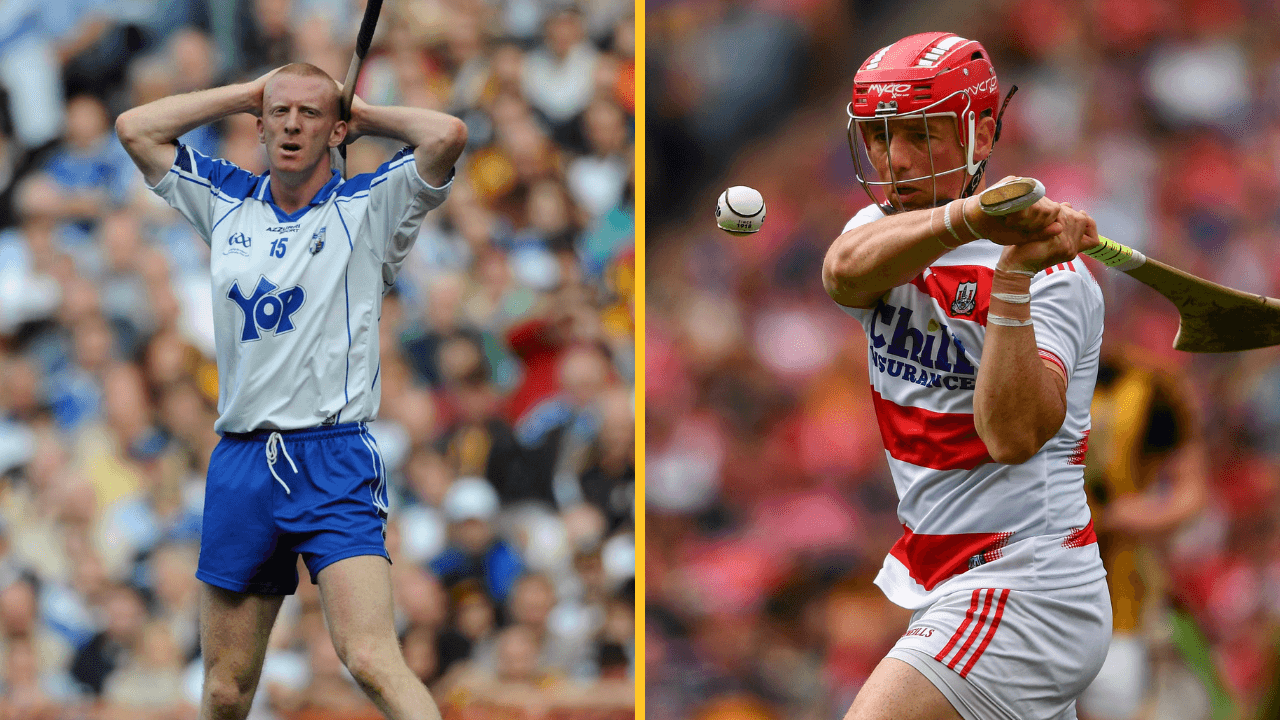
Hurling history isn’t only written by champions. Some of the finest teams of the modern era came within touching distance of an All-Ireland, only to fall short when it mattered most.
From 2000 onwards, this selection celebrates those exceptional hurlers whose talent and influence were undeniable, even if the ultimate prize remained just out of reach.
Goalkeeper: Anthony Nash (Cork)
Right corner-back: Noel Connors (Waterford)
Noel Connors was a model of consistency throughout a long and dependable inter county career. Trusted to mark the opposition’s most dangerous forwards, he delivered disciplined and composed performances year after year. Connors played a key role in Waterford’s run to the 2017 All-Ireland final, where they ultimately fell short. His defensive reliability and leadership make him an automatic selection in this team.
Full-back: Huw Lawlor (Kilkenny)
Since establishing himself in the Kilkenny team, Huw Lawlor has consistently dominated the full back position. Strong in the air, intelligent in possession and rarely beaten one on one, he has been central to Kilkenny’s defensive structure. His misfortune has been timing, arriving just after Kilkenny’s period of All-Ireland dominance. Despite that, his performances in multiple final defeats underline his quality and secure his place.
Left corner-back: Ollie Canning (Galway)
Few defenders of the modern era matched Ollie Canning’s versatility and class. A four-time All Star, he was a leader for Galway during an era that saw two All-Ireland final defeats. His decision to return from retirement and immediately perform at the highest level spoke volumes about his quality. Canning’s influence across multiple positions earns him his place here.
Right half-back: Tony Browne (Waterford)
Tony Browne’s career stands as one of the great examples of longevity in hurling. Making his senior debut in 1991 and retiring over two decades later, he maintained elite standards throughout. At his peak, Browne combined physicality with composure and was a leader on and off the field. His professionalism and influence secure his place at right half back.
Centre half-back: Ken McGrath (Waterford)
Ken McGrath was a dominant presence at the heart of Waterford’s defence. Physically imposing and tactically astute, he anchored the team during some of their most competitive seasons. His ability to read the game and shut down attacks earned him multiple All Star awards. McGrath’s consistency and toughness make him the ideal number six.
Left half-back: Austin Gleeson (Waterford)
Austin Gleeson was one of the most naturally powerful hurlers of the modern era. His remarkable 2016 season, when he won both Young Hurler and Hurler of the Year, remains one of the standout individual campaigns in recent history. Gleeson played a crucial role in Waterford’s run to the 2017 All-Ireland final, including a famous semi final goal against Cork. His early retirement remains a major loss to the game.
Midfield: Ciarán Carey (Limerick)
Ciarán Carey was an outstanding all-round hurler whose career bridged generations. Renowned for his athleticism, ball carrying and long range scoring, he was a central figure for Limerick in the late 1990s and early 2000s. His famous solo score against Clare remains iconic. Carey’s versatility and leadership make him a perfect fit in midfield.
Midfield: Darragh Fitzgibbon (Cork)
Since bursting onto the inter county scene in 2017, Darragh Fitzgibbon has been the driving force behind Cork’s resurgence. A powerful midfielder with a huge scoring range, he has delivered consistently despite repeated near misses. Cork’s recent All-Ireland final defeats and semi-final heartbreaks have not diminished his influence. For now, he remains eligible and firmly earns his place.
Right half-forward: Lee Chin (Wexford)
Lee Chin has been the focal point of Wexford hurling for over a decade. His leadership, scoring ability and relentless work rate carried the county through several challenging seasons. The high point came in 2019, when Wexford captured the Leinster title and came close to reaching an All-Ireland final. Chin’s consistency over many years secures his place.
Centre half-forward: Neil McManus (Antrim)
Neil McManus was the heartbeat of Antrim hurling for nearly two decades. Making his debut in 2007, he delivered elite performances season after season. A prolific scorer and natural leader, he guided his county to multiple Ulster titles and Joe McDonagh Cup successes. His longevity and influence make him an automatic inclusion.
Left half-forward: Damien Hayes (Galway)
Damien Hayes was an electric forward during Galway’s near miss years. His pace, direct running and eye for goal made him a constant threat in championship hurling. While Galway eventually won the All-Ireland after his retirement, Hayes’ contribution during the 2000s remains significant. His club success with Portumna further highlights his quality.
Right corner-forward: John Mullane (Waterford)
John Mullane embodied passion and commitment throughout his inter county career. A five-time All Star, he was central to Waterford’s repeated championship pushes. Mullane consistently delivered in big games, even as All-Ireland success narrowly eluded the Déise. His leadership and skill earn him his slot.
Full-forward: Dan Shanahan (Waterford)
Few forwards were as ruthless in front of goal as Dan Shanahan. His eight-goal haul during the 2007 championship remains legendary. Shanahan combined strength, instinct and finishing ability, making him a nightmare for defenders. Despite Waterford falling short, his individual impact was undeniable.
Left corner-forward: Patrick Horgan (Cork)
The top championship scorer of all time, Patrick Horgan got 32 goals and 683 points for the Rebels from 2008-2025. Simply astonishing. Cork’s repeated near misses only add to the sense of injustice surrounding his career. Without question, Horgan is one of the finest forwards the game has produced.
Manager: Pat Ryan (Cork)
Pat Ryan rebuilt Cork from the ground up, restoring belief and competitiveness. League success, a Munster title and back-to-back All-Ireland finals underline his impact. He is the ideal figure to lead this side.
Honourable mentions
This team was extremely difficult to select, and here are the candidates who nearly made it in: Liam Rushe (Dublin), Michael ‘Brick’ Walsh (Waterford), Shane Dooley (Offaly), Seán O’Donoghue (Cork), Ollie Moran (Limerick) & Mikey Butler (Kilkenny).
Explore more on these topics:
Anthony Nash succeeded Dónal Óg Cusack and quickly became one of the most influential goalkeepers of the modern era. His shot stopping was consistently reliable, but it was his exceptional free taking that truly set him apart. Nash’s ability to score from long range regularly swung momentum in Cork’s favour. His performances during Cork’s near miss seasons, particularly in 2013, were decisive and unforgettable. Despite coming painfully close to All-Ireland success, Nash remains one of the finest goalkeepers of his generation.


GAA
GAA
GAA
GAA
Irish AFL star’s dad tackled by security after pitch invasion
Brilliant scenes! Conor McKenna won another AFL title with the Brisbane Lions yesterday, after they defeated Freemantle, 96-89. It was their third title in a row, and the Tyrone man – who also won an All-Ireland SFC title in 2021 – had a big part to play, scoring a well-taken goal when his team were […]
GAA
1 month ago
Inside the Palestinian town where children are finding an escape through GAA
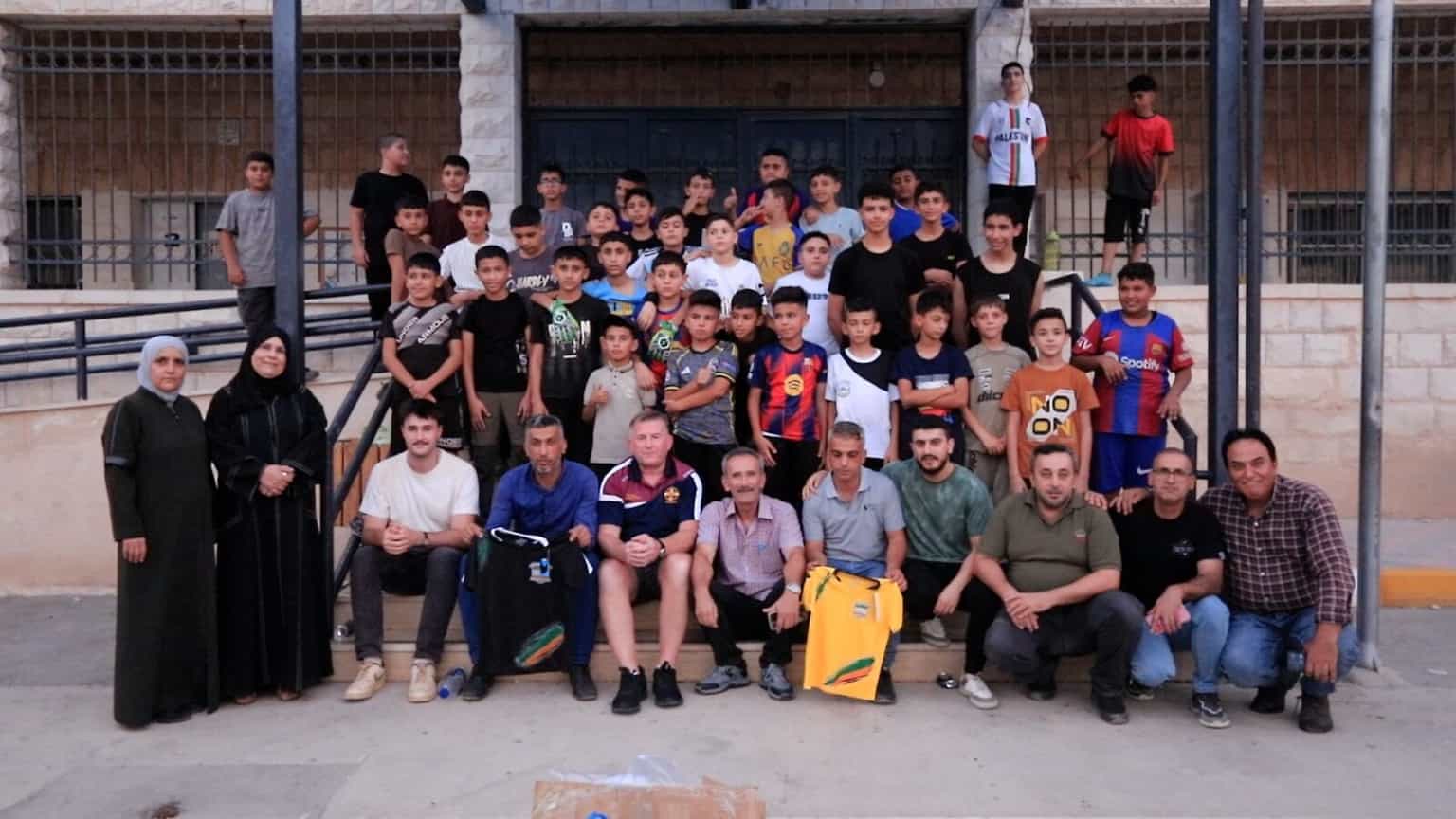
Gaelic Football in Qabatiya: Notes from a Protective Presence Volunteer by Matthew Mulcahey Located just six kilometres southwest of the historic city of Jenin, stands Qabatiya, a modesttown of approximately 30,000 people. According to the Oslo Accords, this town lies under Palestinian control, not Israeli. Despite this, the town has faced constant harassment and attacks […]
GAA
1 month ago
When we can expect Kobe McDonald back playing GAA in Mayo
GAA