



uncategorized
Share
Ancient bones discovered in Irish cave could rewrite country’s history
Published 11:00 26 Nov 2026 GMT
Updated 11:00 26 Nov 2026 GMT
Homeuncategorized
Get our Pub Quizzes and latest news straight to you by clicking here »A thousand years is quite a difference.
A new study suggests humans may have arrived in Ireland around 13,500 years ago, nearly a millennium earlier than previously confirmed.
Researchers examining ancient animal bones from Ballynamintra Cave in Co Waterford have discovered evidence suggesting that Ice Age hunter-gatherers may have been living in southern Ireland much earlier than previously thought, RTÉ reports.
Interestingly, some of the bones were originally discovered between 1878 and 1882.
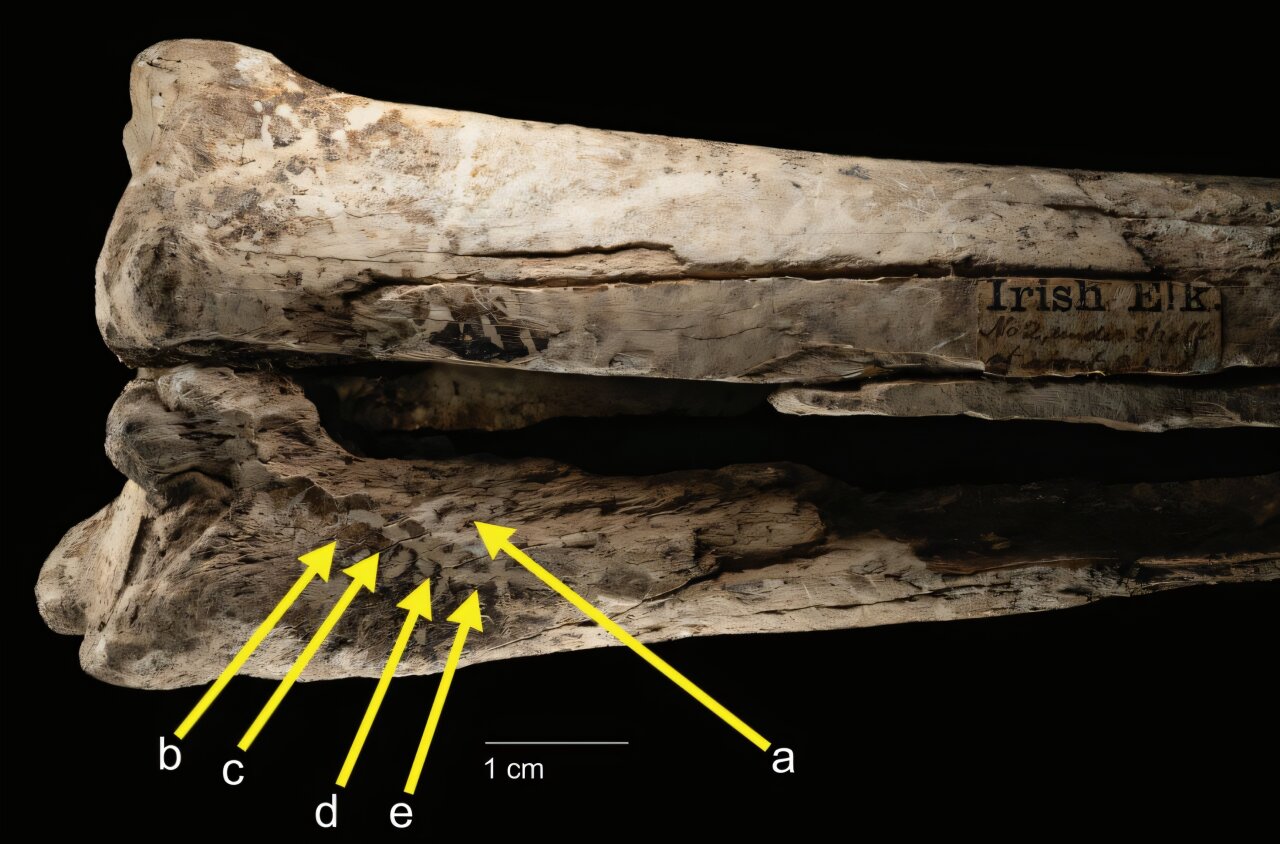
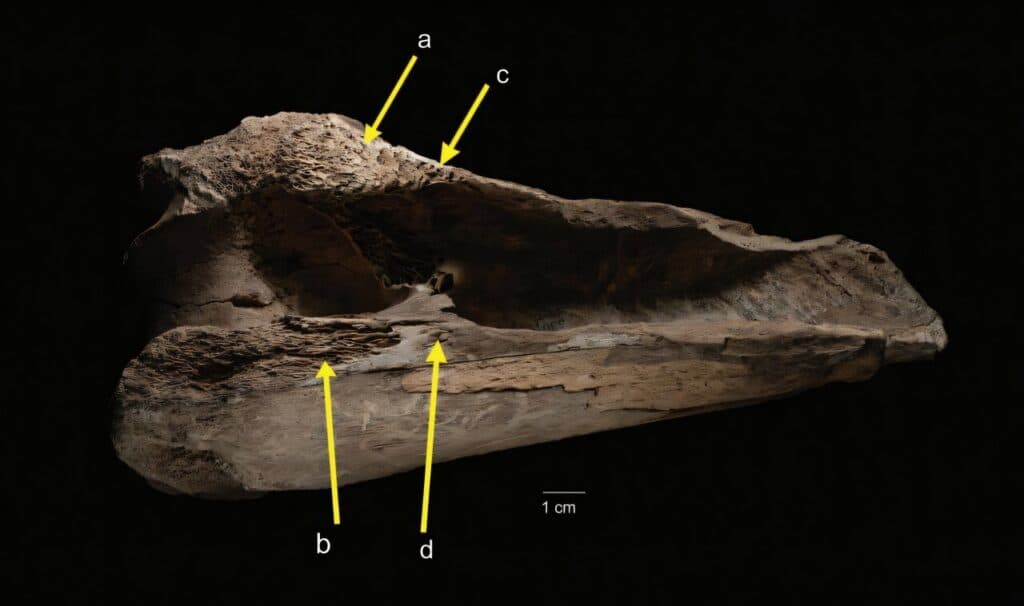
Scientists identified marks on two leg bones belonging to an extinct species of giant deer that suggest humans may have used stone tools to butcher the animals and extract bone marrow.
Credit: Ruth Carden from Proceedings of the Royal Irish Academy: Archaeology, Culture, History, Literature (2026).
Radiocarbon dating at the University of Oxford established that one of the bones was between 13,321 and 13,573 years old.
Further evidence is still needed
Until now, the earliest confirmed evidence of human activity in Ireland came from a butchered brown bear bone discovered in Co Clare, dating back between 12,600 and 12,800 years.
However, researchers behind the new study have cautioned that further evidence is needed to establish whether the marks were definitely made by humans.
Dr Richard Jennings, from Liverpool John Moores University, who led the research, said confirmation of human activity at the cave would "significantly push back the arrival of people in Ireland".
Further excavations are planned, with researchers hoping to uncover ancient tools that could confirm their findings.
If confirmed, the findings would place humans in Ireland towards the end of the last Ice Age, when the landscape was still undergoing dramatic changes.
Explore more on these topics: