


GAA

Share
Published 09:02 17 Sept 2016 BST
Updated 18:59 17 Sept 2016 BST
Explore more on these topics:
"This was created in 1917 using the rubble from O'Connell Street in Dublin, which had been destroyed in the 1916 Rising."This origin story holds great significance for Dubs fans, a sense of pride that they congregate on a terrace that was built from the rubble that would become the foundation of the modern state. However, despite Croke Park's account of history, and the story around Dubliners carrying rubble on carts from O'Connell street to build the terrace, this is a complete fabrication, according to leading historian Dr Paul Rouse.
 Rouse says the terrace was actually built in 1915, in time for that year's All-Ireland Finals, and was named Hill 60 after a battle in the First World War in Gallipoli.
The August 1915 battle for a hill in Turkey saw the Royal Dublin Fusiliers suffer heavy losses, and, in keeping with the tradition at the time, the hill was named in its honour.
Just as the Kop in Anfield is named after a battle in the Boer War, the terrace became Hill 60.
According to UCD's Dr Rouse: "The redeveloped corner of Croke Park was considered to resemble the description of Hill 60, and soon after that part of the ground became known as Hill 60."
https://www.youtube.com/watch?v=KA_iDjHFEuA
So how has this history been airbrushed, and the terrace become known as Hill 16?
In 1931, Dan McCarthy, a former GAA President, stated his objection to the name of the terrace, arguing that Croke Park was "sacred ground... sanctified by blood of martyrs". Therefore, he claimed it was wrong to honour a battle that took place in a foreign country, and a "foreign war".
Hill 16 was a more fitting name.
The GAA's agreed with McCarthy's proposal, and applied pressure on Irish newspapers to tow the line.
The myth about the terrace being built from the rubble of the GPO appears to also have it's source in this era, but really took hold in the 1960s.
In 1966, Raymond Smith, a journalist for the Sunday Independent, wrote how he personally met a man in a Dublin pub who had been paid 6d. a load to carry rubble to Croke Park. According to Dr Rouse: "History was overwhelmed by the power of men in pubs telling stories."
While, according to T.P. Kilfeather, writing in the Sunday Independent in 1967: "Few of those who watch Croke Park matches from the corner of the ground, known as 'Hill Sixteen', know that they stand on a hill made from the rubble of the ruins of O'Connell Street after large sections of it had been devastated in the Rising of Easter Week, 1916."
50 years later, the opposite appears to be true and few of those standing on the Hill this Sunday will know the story propagated may well be a complete fabrication.
Check out our GAA Hour All-Ireland preview special, featuring Jack McCaffrey, Paul Galvin, Colm Cooper, Peter Canavan, Kieran McGeeney, Senan Connell, John O'Leary and Vinnie Murphy. Listen below or subscribe here on iTunes.
Rouse says the terrace was actually built in 1915, in time for that year's All-Ireland Finals, and was named Hill 60 after a battle in the First World War in Gallipoli.
The August 1915 battle for a hill in Turkey saw the Royal Dublin Fusiliers suffer heavy losses, and, in keeping with the tradition at the time, the hill was named in its honour.
Just as the Kop in Anfield is named after a battle in the Boer War, the terrace became Hill 60.
According to UCD's Dr Rouse: "The redeveloped corner of Croke Park was considered to resemble the description of Hill 60, and soon after that part of the ground became known as Hill 60."
https://www.youtube.com/watch?v=KA_iDjHFEuA
So how has this history been airbrushed, and the terrace become known as Hill 16?
In 1931, Dan McCarthy, a former GAA President, stated his objection to the name of the terrace, arguing that Croke Park was "sacred ground... sanctified by blood of martyrs". Therefore, he claimed it was wrong to honour a battle that took place in a foreign country, and a "foreign war".
Hill 16 was a more fitting name.
The GAA's agreed with McCarthy's proposal, and applied pressure on Irish newspapers to tow the line.
The myth about the terrace being built from the rubble of the GPO appears to also have it's source in this era, but really took hold in the 1960s.
In 1966, Raymond Smith, a journalist for the Sunday Independent, wrote how he personally met a man in a Dublin pub who had been paid 6d. a load to carry rubble to Croke Park. According to Dr Rouse: "History was overwhelmed by the power of men in pubs telling stories."
While, according to T.P. Kilfeather, writing in the Sunday Independent in 1967: "Few of those who watch Croke Park matches from the corner of the ground, known as 'Hill Sixteen', know that they stand on a hill made from the rubble of the ruins of O'Connell Street after large sections of it had been devastated in the Rising of Easter Week, 1916."
50 years later, the opposite appears to be true and few of those standing on the Hill this Sunday will know the story propagated may well be a complete fabrication.
Check out our GAA Hour All-Ireland preview special, featuring Jack McCaffrey, Paul Galvin, Colm Cooper, Peter Canavan, Kieran McGeeney, Senan Connell, John O'Leary and Vinnie Murphy. Listen below or subscribe here on iTunes.
GAA
GAA
GAA
GAA
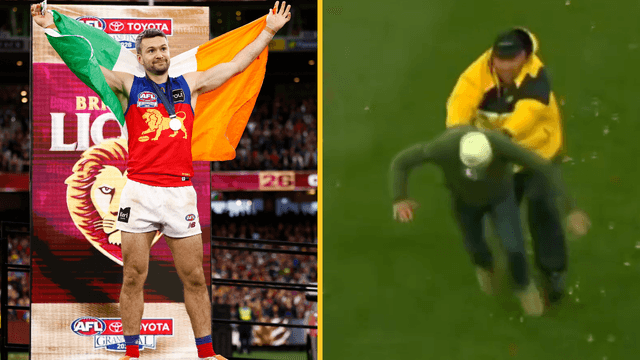
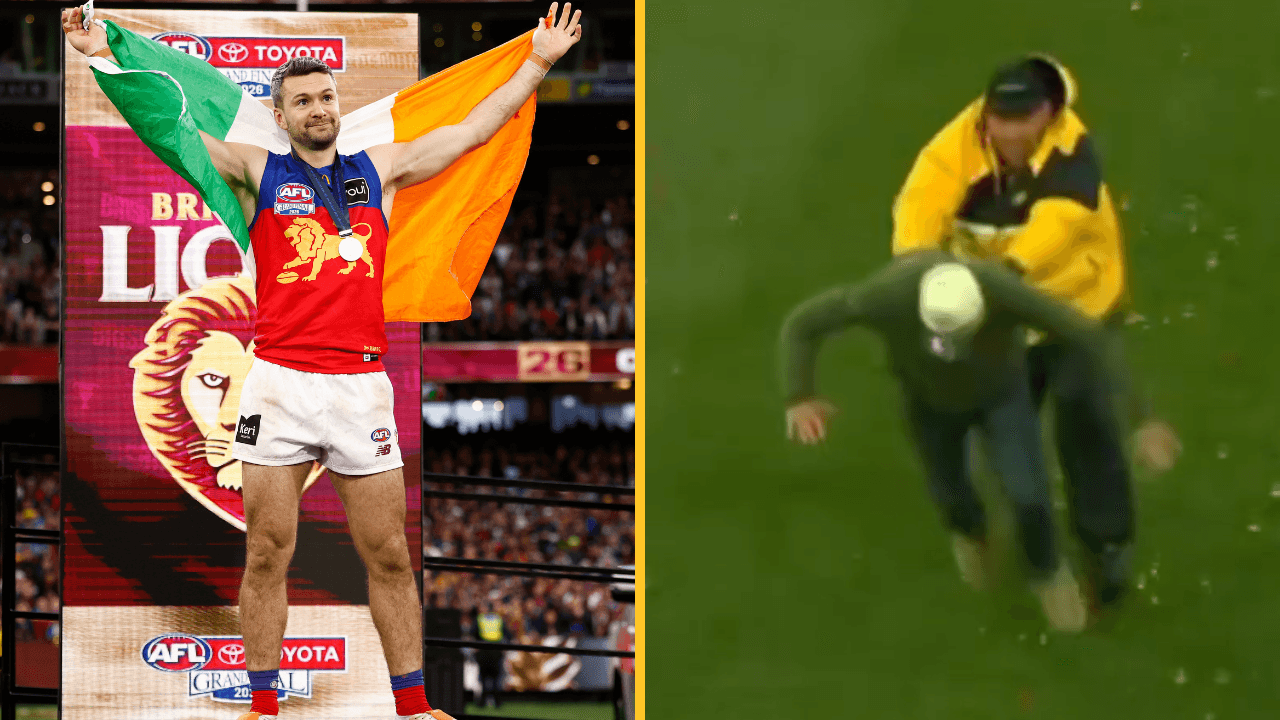
Irish AFL star’s dad tackled by security after pitch invasion
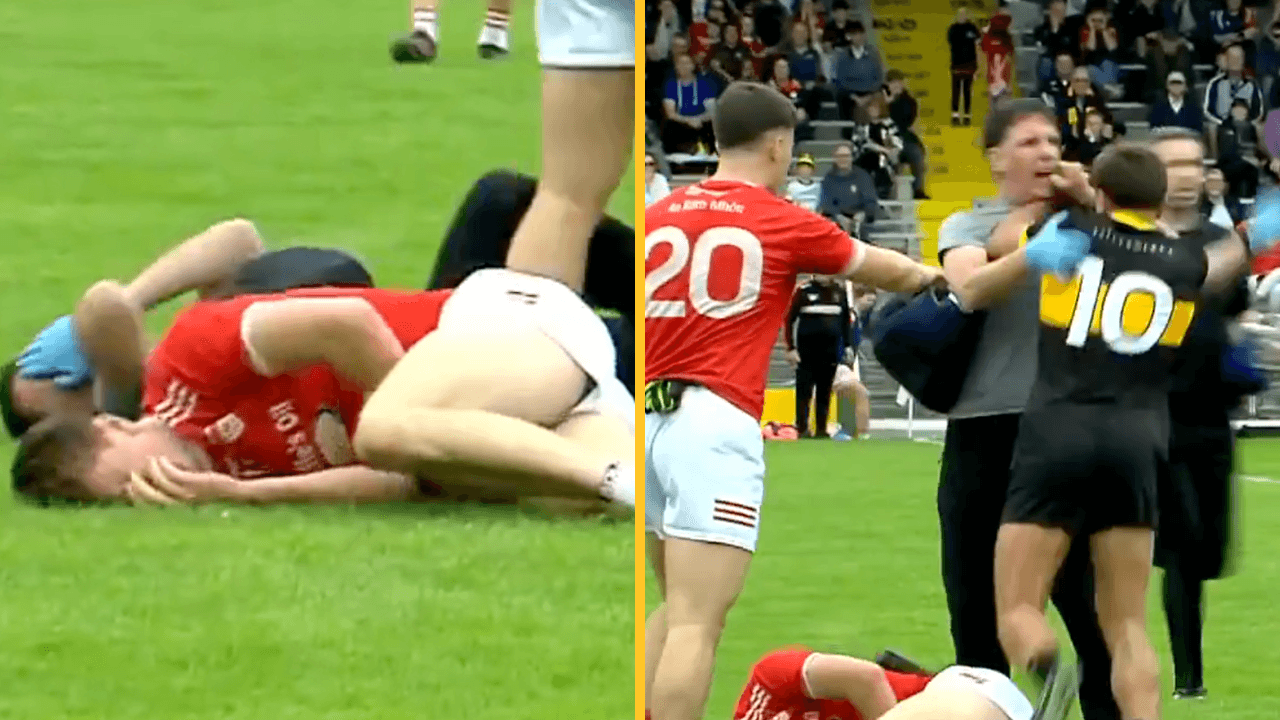
Brilliant scenes! Conor McKenna won another AFL title with the Brisbane Lions yesterday, after they defeated Freemantle, 96-89. It was their third title in a row, and the Tyrone man – who also won an All-Ireland SFC title in 2021 – had a big part to play, scoring a well-taken goal when his team were […]
GAA
1 month ago
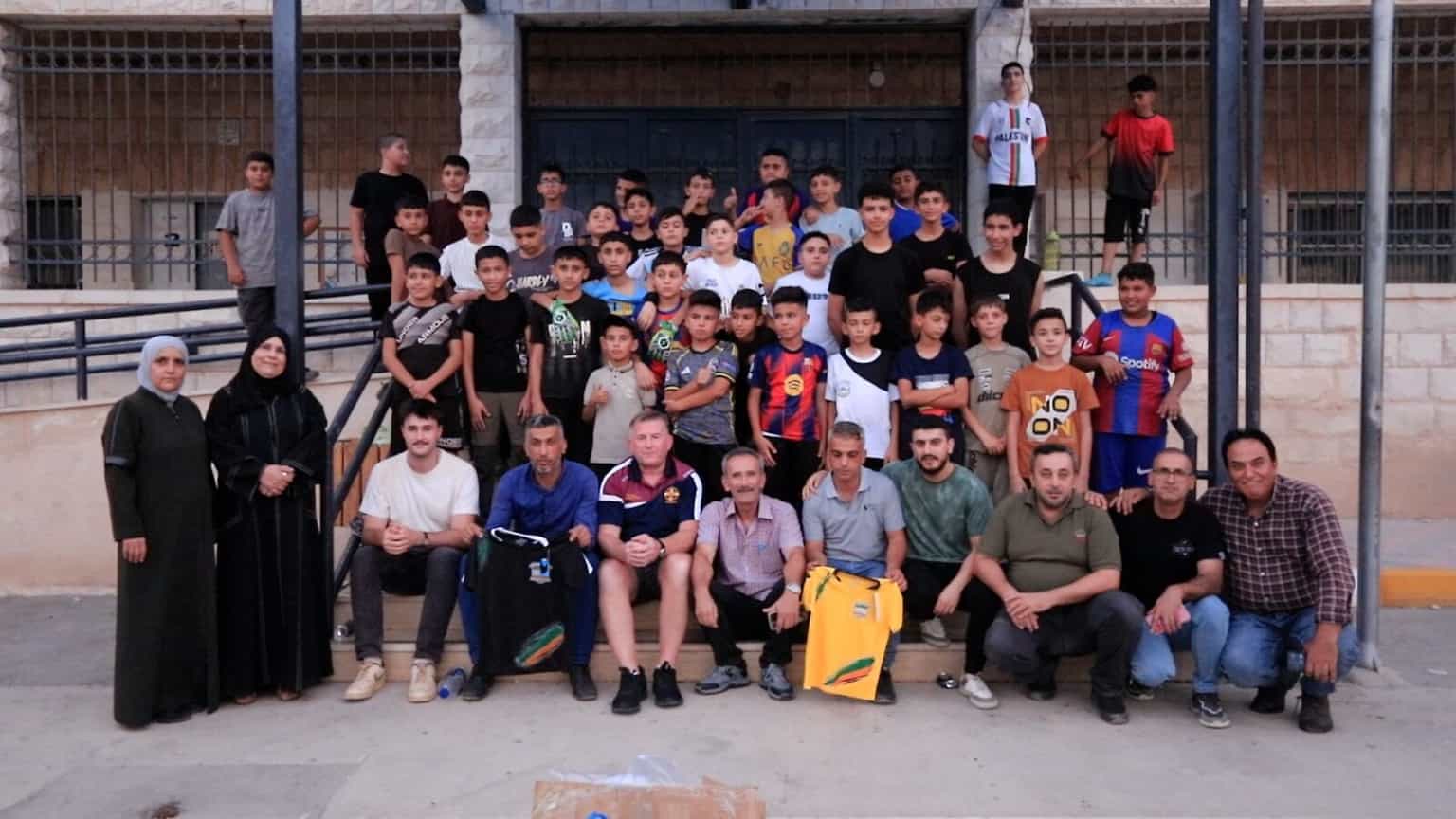
Inside the Palestinian town where children are finding an escape through GAA
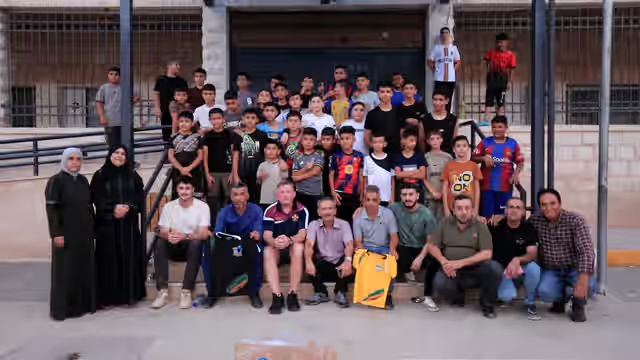
Gaelic Football in Qabatiya: Notes from a Protective Presence Volunteer by Matthew Mulcahey Located just six kilometres southwest of the historic city of Jenin, stands Qabatiya, a modesttown of approximately 30,000 people. According to the Oslo Accords, this town lies under Palestinian control, not Israeli. Despite this, the town has faced constant harassment and attacks […]
GAA
1 month ago
When we can expect Kobe McDonald back playing GAA in Mayo
GAA