


Horseracing

Share
Published 15:02 19 Dec 2025 GMT
Updated 15:27 19 Dec 2025 GMT
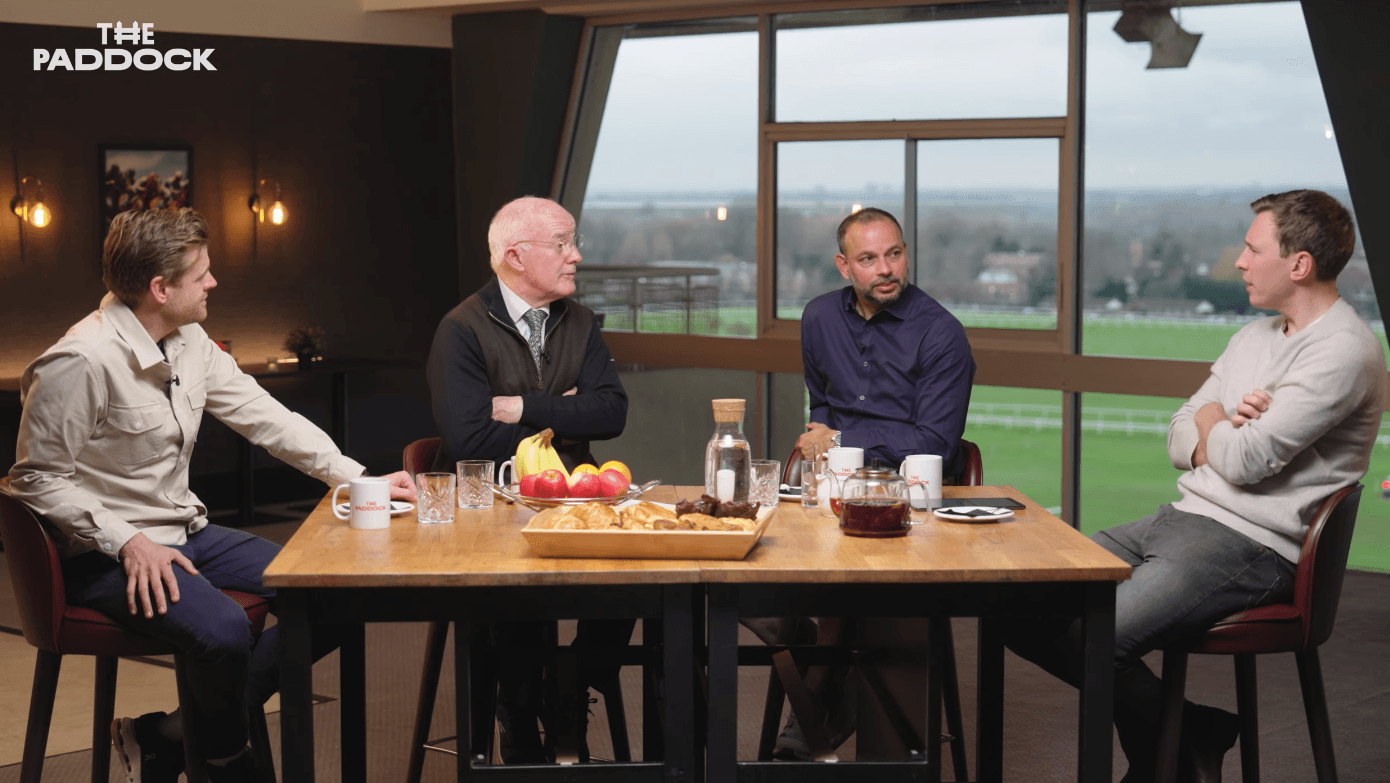
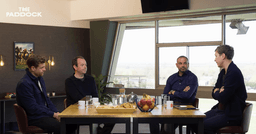
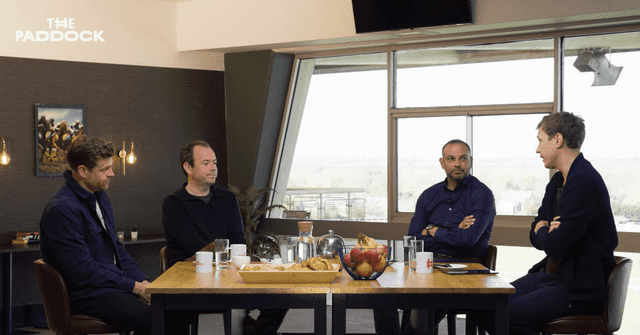
Kempton Park’s future has long been a sensitive subject in British racing, and this week it was placed firmly under the spotlight once again during episode four of The Paddock.
Speaking on the show, host Oli Bell was joined by Rishi Persad, Tom Stanley and special guest, the legendary Ted Walsh, for a wide-ranging discussion that touched on everything from the Derby to the racegoing experience before turning to the uncertain outlook facing one of London’s most famous racecourses.
Kempton, which sits on more than 200 acres of green belt land on the edge of London, has previously been linked with potential redevelopment, but Persad was keen to stress just how complex and uncertain the situation remains.
“There are still reasons why you wouldn’t develop there, but there are also reasons why it could happen,” Persad explained. “It’s very uncertain, but there are a number of options, including the racecourse continuing and for development to go.”
Crucially, Persad pointed out that even if development were to be pursued, it may not align with broader political priorities.
“Don’t forget as well, you know, that area that you’re talking about, it’s so expensive that were you to build houses, I’m not sure it will cater to what the Labour government actually want and require,” he said.
Persad also pushed back against a narrative that has gained traction in recent months: that investment elsewhere in the sport automatically signals Kempton’s demise.
“So the fact that people are talking about investing in Cheltenham and Aintree and then equating that to Kempton being sold... That’s a big leap to make,” he added.
The conversation then took on a broader perspective when Bell posed a hypothetical to Walsh, asking how the news would land in Ireland if headlines one morning read: Kempton to shut down.
“Ah, we’d be disappointed,” he said. “I mean, Kempton is synonymous with the King George.”
However, Walsh was also keen to add context and history to the reaction.
“Now, the King George was run here on a couple of occasions as well,” he noted. “We wouldn’t think it’s the end of the world.”
To underline the point, Walsh drew a direct comparison with Irish racing’s own past upheavals, referencing the sale of Phoenix Park in Dublin.
He said: “We sold the Phoenix Park, which was every bit as important as Kempton is to London. Phoenix Park was a beautiful track. It attracted all the Dublin people right on the edge of the city.”
The loss was significant, Walsh admitted, and the impact wasn’t immediate.
“It took a long time before there was housing on it,” he said. “It was a big blow but racing got over it.”
In fact, Walsh argued that Irish racing didn’t just survive the change, it adapted.
“Leopardstown thrived,” he explained. “It got the Champion Stakes, and Leopardstown is going as good as ever. Better than ever.”
The exchange neatly captured the tension at the heart of the Kempton debate. For many, the racecourse is inseparable from some of the sport’s most iconic moments, particularly the King George VI Chase. Losing it would be painful, emotional, and controversial.
But as The Paddock discussion highlighted, racing history suggests that even seismic change doesn’t necessarily spell disaster so long as the sport evolves.
The Kempton debate formed part of a wide-ranging episode of The Paddock, which also covered the future of the Derby, stewarding controversies, investment in British racing, and how the sport can modernise without losing its soul.
The Paddock is hosted by Oli Bell and features weekly episodes packed with news, debate, tips and special guests from across the racing world. You can watch the show on YouTube or listen via podcast platforms now.
Explore more on these topics:
The 2026 Aintree Grand National live hub
Horseracing
Racing expert reveals the one horse that could cause the biggest upset at this year’s Grand National
Horseracing
Horseracing

Horseracing
Horseracing
Paddock Picks: Our biggest tips for the Aintree Grand National
It’s the biggest race of the year. This week on your favourite horse racing podcast, The Paddock, the full gang are here as we’re joined by Rishi Persad, Oli Bell, Tom Stanley and Nick Luck. The panel dive into their own deeply personal Grand National memories including watching it all the way from the Caribbean […]
Horseracing
5 months ago
The 2026 Aintree Grand National live hub
Horse racing’s most celebrated race! We are back for another year at Aintree! The festival itself kicks off today, April 9, with Ladies Day tomorrow, and the Grand National on Saturday. Follow our live hub blog below for all of the action.
Horseracing
5 months ago
Horseracing
Horseracing