






Rugby

Share
Published 10:26 13 Aug 2025 BST
Updated 10:26 13 Aug 2025 BST
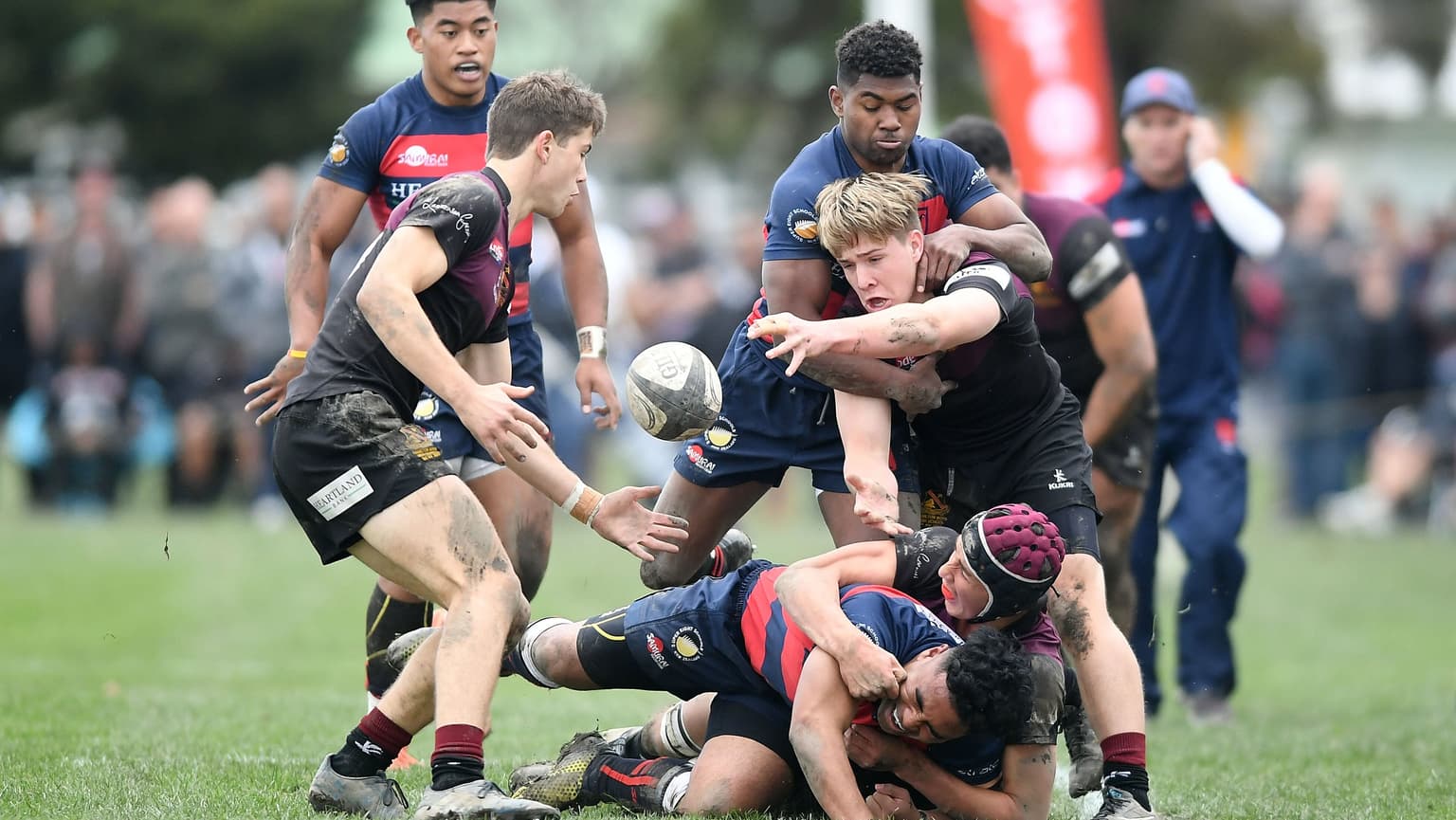
A new study has found that a shocking number of school rugby players in Ireland would continue to play sport with concussion symptoms.
A “somewhat concerning” 35 per cent of school players said they would “would continue to play a sport while also having a headache that resulted from a minor concussion,” a study by UCC’s School of Medicine and Cork University Hospital found. 17 per cent of club players held the same view.
The study surveyed the views and attitudes of over 520 IRFU-registered players, from 17 clubs and five schools.
According to an Irish Rugby Injury Surveillance Report, concussion is the most common injury diagnosed in non-professional men’s and women’s rugby clubs in Ireland.
IRFU protocols currently state that a player should leave the game immediately if they suffer a suspected concussion.
The survey also revealed that 11 per cent of school players felt a concussed player should return to play during a semi-final game. Four per cent of club players held the same view.
Meanwhile, 76 per cent of respondents said they were largely unfamiliar with chronic traumatic encephalopathy (CTE) – a progressive brain disease linked to repeated concussion.
Flashing LED mouthguards that light up when a player received a significant blow to the head will be debuted at the upcoming Women’s Rugby World Cup.
“Match officials and players will be able to see that this player has sustained a big head impact because their mouth guard is flashing red,” Dr Lindsay Starling, a science and medical manager at World Rugby, said.
“And it will create awareness about head injuries and concussions in the stands and for fans at home, being able to see it on TV.”
Explore more on these topics:
Rugby
Rugby
Rugby

Rugby
Live sport on TV in Ireland this weekend – Football, GAA and Golf – September 4th – 6th
The Prem is back! Summer might be over, but fear not, there is still plenty of sport to feast your eyes on. As always, the Premier League will provide the main action, but Clubber and TG4 are keeping the GAA club championships lit. On top of that, there is a very special game in Spain […]
Rugby
1 week ago
Reports from France say Ronan O’Gara has made up mind on next move
Well that’s that then….. No other head coach in rugby receives the same amount of speculation as La Rochelle head coach Ronan O’Gara. The most recent rumours were links to the head coach job at Leinster, with Leo Cullen leaving at the end of the season. However, reports from France have said that O’Gara is […]
Rugby
1 week ago
Andy Farrell disagrees with general consensus of Ireland’s quality
Rugby